

Cricket Handicap Betting Explained: Run Spreads and Line Markets
The Core Problem
Most bettors treat cricket like a straight-up win/lose gamble, missing the juicy edge that run spreads provide.
What Is a Run Spread?
Think of a run spread as a handicap that levels the playing field. The favorite gets a negative number — say, -30 runs — while the underdog receives +30. Your stake wins if the favorite still outscores the handicap after the spread is applied.
Why It Matters
Because raw match odds hide the real value. A 1.80 favorite might look appealing, but once you factor in a -30 spread, the implied probability shifts dramatically.
Line Markets: The Playground
Line markets are where bookmakers list these spreads, often alongside total run over/under lines. The market depth tells you where the smart money is moving.
Here is the deal: if the line moves from -28 to -32, the market is favoring the underdog, meaning bettors expect a tighter game.
Reading the Moves
Sharp bettors watch the line drift like a tide. A sudden swing can signal insider info — maybe a bowler injury or a rain-shortened match.
Betting Strategies
First, pick a spread that aligns with your statistical model. Second, monitor line changes in the hour before kickoff. Third, hedge with an opposite spread if the line jumps unexpectedly.
By the way, you can sharpen your edge by consulting detailed guides such as https://online-cricket-betting.com/article/cricket-handicap-betting-explained-run-spreads-and-line-markets/.
Actionable Advice
Grab the current spread, compare it to your projected run differential, and place the bet only if your model outperforms the market by at least 2 runs. No excuses.

More Recipes
- Recent
- Popular
- Random
-

Fresco (Shaved Ice)
(4.1 / 5)
-

Labouyi Bannann (Plantain Porridge)
(4.2 / 5)
-

Haitian Bread (Pain)
(3.9 / 5)
-

Cremas (Kremas or Cremasse)
(4.2 / 5)
-

Haitian Cake (Gateau Au Beurre)
(3.7 / 5)
-

Haitian Seasoning Base (Haitian Epis)
(3.8 / 5)
-

Papaya Juice Milk Shake (Jus Papaye)
(4.3 / 5)
-

Haitian Patties (Pate)
(4.3 / 5)
-

White Rice (Diri Blanc)
(4 / 5)
Weekly Special
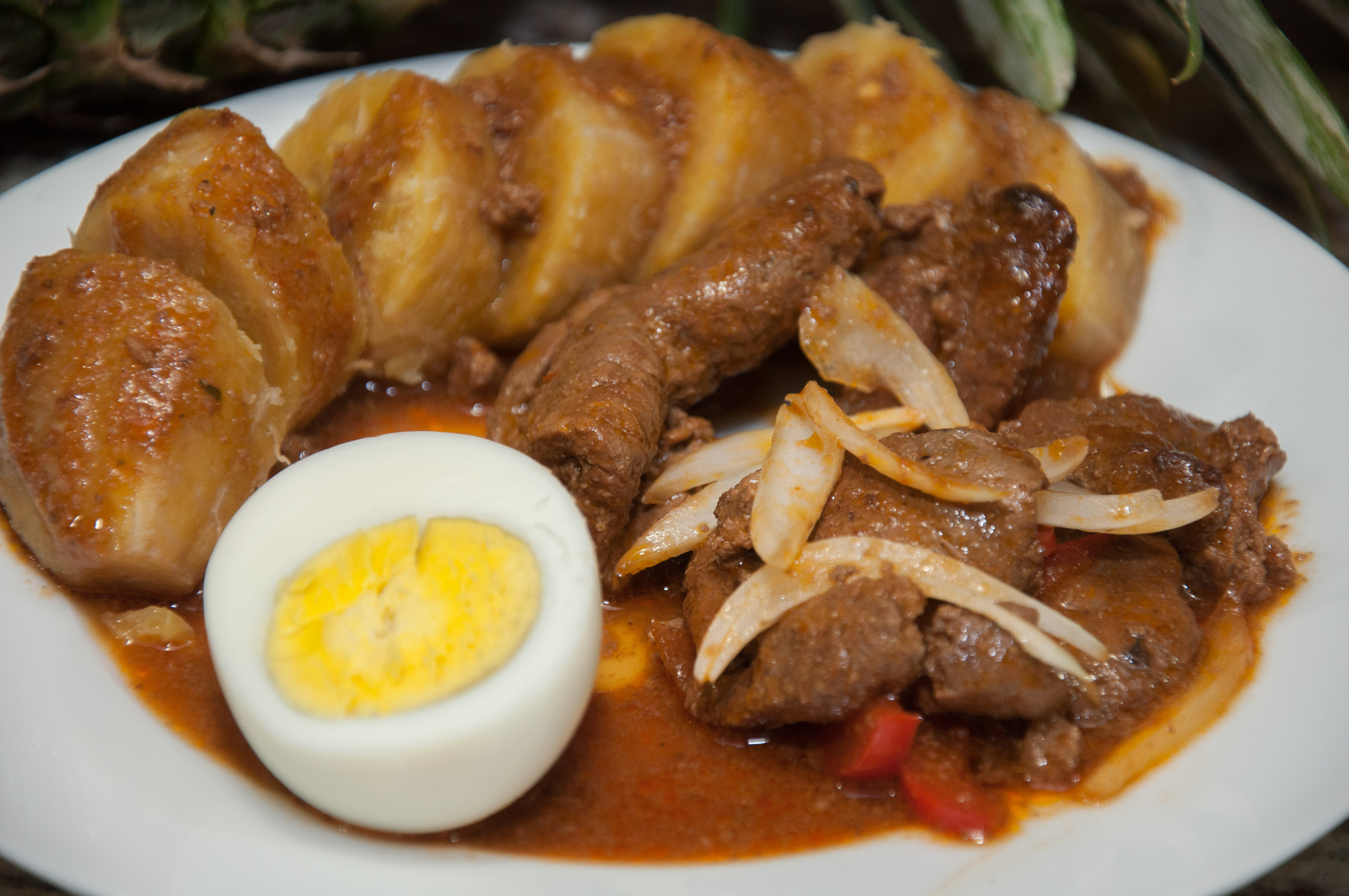
Beef Liver and Onions (Fwa Bef Ak Zonyon)
Beef is a very high commodity in Haiti so when a cow is slaughtered, nothing goes to waste. Organs in particular... more
Read More