
5 Haitian Recipes Every Haitian Woman Should Know

5 Haitian Recipes

We all know that one Haitian woman who for some unknown reason was never taught to cook Haitian food by her mom, aunt, or grandmother. We’ll we’re here to help. Here are 5 Haitian recipes every Haitian woman should know. Let us know if you agree with our list.

1. Rice and Beans (Diri Kole)
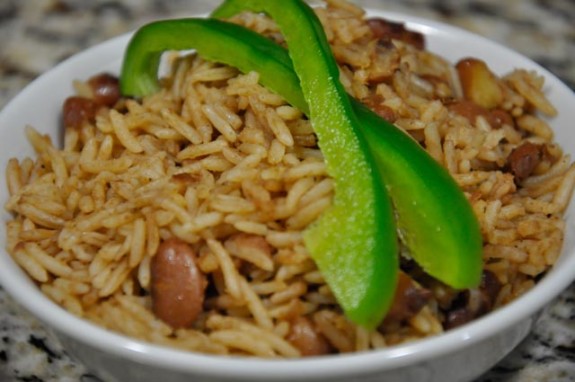
haitian rice and beans

Rice and Beans are pretty much at the core of every Haitian Meal. Don’t even invite a fellow Haitian to dinner if u aren’t serving some sort of rice dish. It ain’t natural to us. This should be the first of many Haitian recipes you master.

2. Haitian Stewed Chicken (Poule en Sauce)
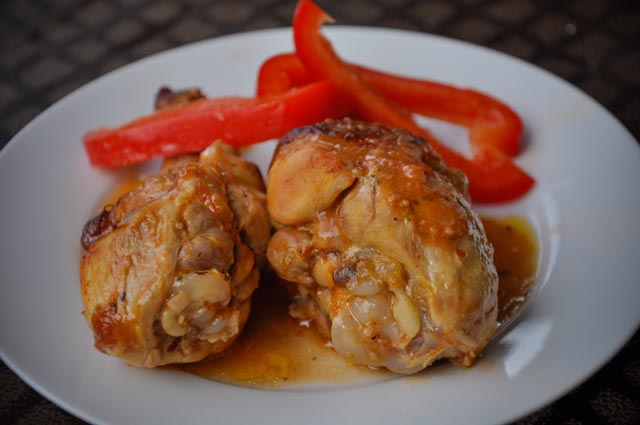
HaitianCooking.com Stewed chicken

Stewed chicken is the most common source of protein in Haiti and the U.S. You can never go wrong with chicken. Stewed chicken is easy simple and can be paired with a variety of sides. Just make sure you clean the chicken using the Haitian meat cleaning process.

3. Boiled Plantain (Bannann Bouyi)
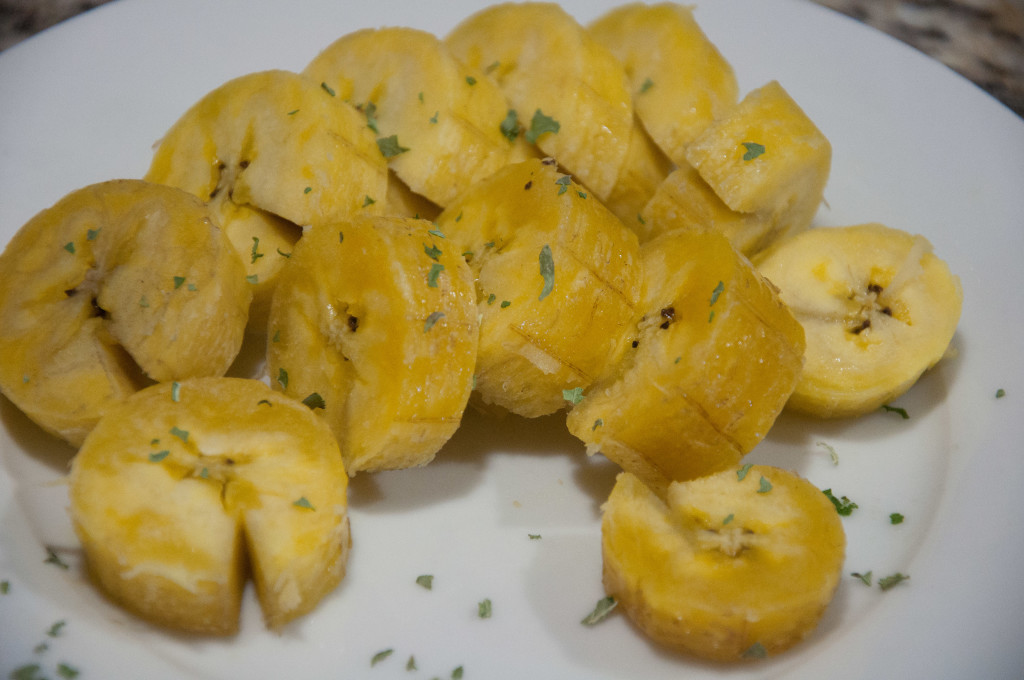
Boiled Plantains from HaitianCooking.com
Plantains from HaitianCooking.com

Boiled plantains are pretty much the easiest Haitian recipe with the biggest return, but even I have messed this up in the past. Timing is everything with this recipe. Let it boil to long and you end up with mush. Remove it too early and you’ll end up with a very dry tasteless meal.

4. Haitian Spaghetti (Espageti)
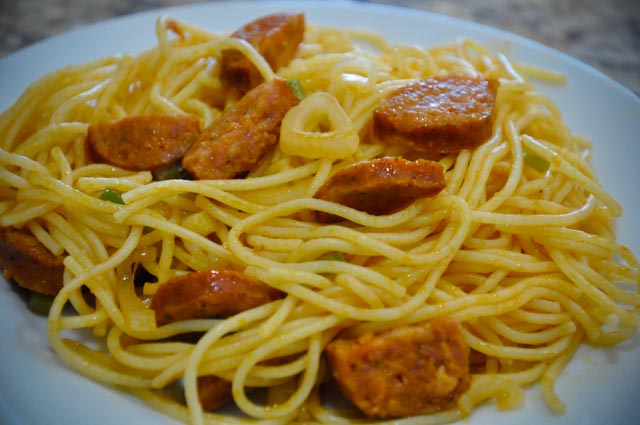
Haitian Spaghetti
Haitian Spaghetti (espageti) from haitiancooking.com

It sounds weird, but spaghetti is typically a breakfast food in Haiti. In the U.S. it has transitioned to a lunch meal. If you can’t get this right, stick to boiled plantains and scrambled eggs for breakfast.

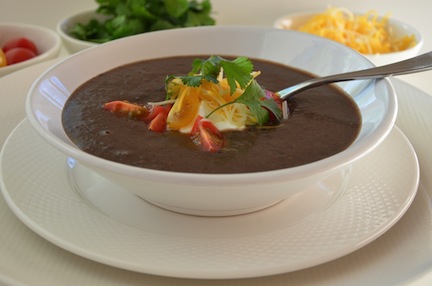
5. Black bean Soup (Sos Pwa)
blackbeansoup
blackbeansoup
haitiancooking.com

If you are cooking white rice, it better be with a side of black bean soup and we aren’t talking about cann beans. You better start off with dried beans and boil the hell out of those beans.

Do you agree? Post a comment below and let us know which ones we missed.

The Haitian Meat Cleaning Process

Haitian meat cleaning process

So you just purchased some meat and you are about to prepare it for cooking. In many cultures its as simple as opening the package rinse the meat and add your seasoning. This is not the case when it comes to cooking Haitian food.

The Haitian Meat cleaning process usually involves the following steps:

  1. Removing the skin, excess and visible fat, any remaining chicken feathers and the heel of the chicken.
  2. Then the meat is scrubbed with sliced limes and place individual pieces into a bowl.
  3. Take hot boiling water and pour into bowl and let sit for 30-45 seconds, making sure that the water covers every piece of meat.
  4. Drain and rinse with cool water, examining and ensuring that there is no excess fat remaining.
  5. Finally lime juice and seasoning is added to the meat.

I have asked many cooks why they do this and the answer is always to clean the meat and this was how I was taught.

After doing a lot of research with some older cooks, I found out that the reason this process was in place was to protect Haitian without refrigeration from getting sick. After an animal was slaughtered there wasn’t an effective way to keep bacteria from accumulating on meat. If you are in a country where the slaughter process is more advance there is no need to perform these steps, but what you lose is the authentic Haitian Flavor. So if you have skipped this step in the past and have wondered why the food doesn’t taste as good as mom or grandma’s meal this could be the reason.


What is the shelf life of Cremas (Kremas)?

Haitian Kremas

So you just finished making some Cremas (Kremas) and you are trying to figure out the best storage method to preserve it. Many Haitian say you can leave it out and it will last forever. Well not so much.

About Cremas (Kremas)

Cremas (Kremas or Cremasse) is a popular drink in Haiti and is served regularly at social events and during the holidays. It is usually consumed along with a sweet pastry of some sort. The beverage possesses a creamy consistency similar to a thick milkshake and varies from off-white to beige in color.

Pantry Storage

Similarly to Baileys Irish cream, Cremas contains dairy. Even though the alcohol in it will keep it from going bad quickly, it will not last forever. Some manufacturers add various preservatives to their product to extend the shelf life. The shelf life of homemade Cremas is about 2 years stored in a typical home if it has not been opened since bottling. If opened, this gets cut down to about 6-9 months. The best indicator would be to check if the drink has separated in the bottle. Once the Cremas reaches this point it will taste really bad. Drinking it after this point could make you really sick. Symptoms of drinking bad Cremas is a sour stomach or stomach pains. The symptoms are very similar to individuals who are lactose intolerant so try not to get them confused.

Refrigeration

So what about if you refrigerate the bottle? Refrigerating it will definitely increase the shelf life, but it causes another problem. Lumps. Drinking Cremas with lumps is not very appealing. If you are going to refrigerate the Cremas you should limit constant temperature changes. Constant temperature changes will cause the Cremas to solidify and eventually form a block of what looks like cheese at the top of the bottle. To limit this from happening, you should return the Cremas to the fridge immediately  after serving.

No matter which preservation method you use, you just need to enjoy this wonderful drink and if it goes bad just check out our recipe for Cremas and drink responsibly.